 rizwanulhaq0011223@gmail.com
Business Visa in UAE: A Practical Guide for Entrepreneurs
So, you’re thinking about getting a business visa in the UAE. Smart move. The UAE isn’t just skyscrapers and luxury malls — it’s one of the most business-friendly hubs on the planet. Whether you’re launching a startup, moving part of your company here, or simply testing the waters, a business visa is the first step.
But here’s the catch: while the UAE makes doing business attractive, the paperwork and procedures can be overwhelming if you’ve never gone through them. That’s where a bit of guidance (and companies like Silverstone Consultancy) can save you from delays, back-and-forth trips, and unnecessary headaches.

Why the UAE Is a Hotspot for Business
You’ve probably noticed: entrepreneurs and investors are flocking to Dubai and Abu Dhabi. But why?
- Taxes (or the lack of them): No personal income tax, and corporate tax rules are far lighter than in Europe or the US.
- Global reach: Dubai is a four-hour flight from a third of the world’s population. That matters if you’re trading or scaling quickly.
- Stable banking system: Banks here take compliance seriously but offer strong international connectivity.
- Lifestyle perks: Safety, world-class infrastructure, and a cosmopolitan lifestyle — you’re not just doing business, you’re living well.
It’s this mix of practical and personal benefits that makes entrepreneurs feel at home here.
What Exactly Is a Business Visa?
Think of it as your legal permission slip to live and run a business in the UAE. Without it, you’re basically a visitor who can’t sign contracts, lease an office, or employ staff.
The business visa ties you to your company — whether it’s a mainland business, a free zone entity, or an offshore setup. Once it’s in your passport, you can apply for an Emirates ID, open a bank account, bring your family under sponsorship, and actually get on with building something.
Types of Business Visas in the UAE
Here’s where most people get confused, because “business visa” isn’t just one thing.
Investor Visa
For those putting money into a UAE-based company. You either own shares or buy into an existing setup.
Partner Visa
If you’re a shareholder in a company (say a free zone business), this is usually what you’ll get.
Freelance Visa
Perfect for self-employed professionals. Popular in tech, media, design, consulting — basically, people selling expertise rather than products.
Golden Visa (Business Category)
This is the long game. A 5- or 10-year residency for entrepreneurs, high-net-worth individuals, and investors. Fewer renewals, more security.
What You’ll Need (The Documents)
Paperwork is where people trip up. The exact list depends on the visa type, but here’s the usual checklist:
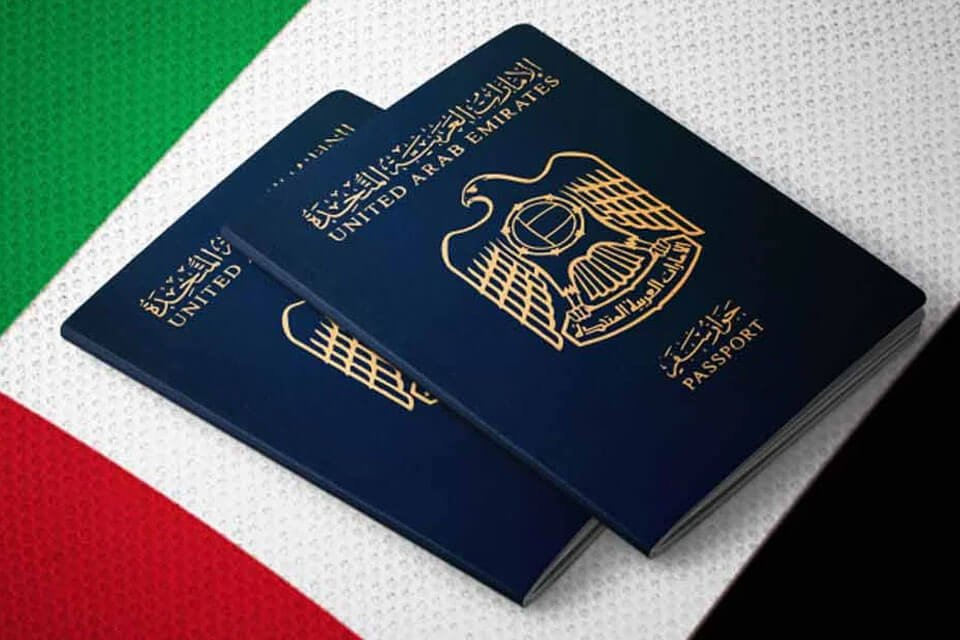
- Passport with at least 6 months validity
- Recent passport photos
- Entry permit application
- Proof of business activity (trade license, incorporation docs, or freelance permit)
- Bank statements or proof of funds (for some visa types)
- Medical fitness test results (done locally once you arrive)
For investors and company owners, add:
- Trade license
- MOA (Memorandum of Association)
- Shareholder agreement
- Office lease (Ejari)
Silverstone Consultancy usually steps in here, because a single missing paper can set you back weeks.
Step-by-Step: How the Process Works
Opening a business visa isn’t rocket science, but it does take patience.
Step 1: Pick the Right Route
Are you investing? Freelancing? Setting up a company in a free zone? The answer determines everything else.
Step 2: Register the Business
You can’t get the visa until you have a legal entity. That means mainland registration, free zone incorporation, or offshore licensing.
Step 3: File the Application
With documents in hand, we submit to the right authority (immigration, free zone, or mainland).
Step 4: Entry Permit & Medicals
Once approved, you get an entry permit. You’ll also do a quick medical fitness test and apply for an Emirates ID.
Step 5: Visa Stamping
Your passport gets stamped with the business visa, making you an official UAE resident.
From here, you can open bank accounts, lease offices, and start hiring.
How Much Does a Business Visa Cost?
There isn’t a one-size-fits-all fee, but here’s a ballpark:
- Investor/partner visas: AED 4,000–7,000
- Freelance visas: AED 7,500–15,000 (varies by free zone)
- Golden visas: AED 10,000–15,000+
Keep in mind, these don’t always include company setup fees or office space costs. That’s why getting a cost breakdown upfront matters.
Common Roadblocks (And How to Avoid Them)
- Choosing the wrong jurisdiction (mainland vs free zone)
- Missing or mismatched paperwork
- Delays at the banking stage (banks here are strict with compliance)
- Not budgeting for all costs (visa + setup + office + banking)
We see these issues daily. With the right preparation, most of them can be avoided.
Why Work With Silverstone Consultancy?
Because doing this alone is like trying to drive in Dubai without GPS you’ll probably get there, but not without wrong turns.
Here’s what we handle:
- Explaining which visa suits your goals best
- Preparing and verifying documents before submission
- Coordinating with immigration and free zones
- Assisting with Emirates ID, medicals, and stamping
- Helping with the next step: bank account opening
That last point is big. Many people get their visa approved but then struggle with banking. We bridge both processes so it’s smooth.
Final Word
A business visa in UAE isn’t just a formality, it’s the gateway to running your life and company legally here. The process is clear but rarely simple when you’re dealing with it alone. That’s why so many entrepreneurs hand it off to professionals.
At Silverstone Consultancy, we walk you through every step, from company setup to visas to banking. That way, instead of chasing paperwork, you can focus on what you came here for, building and growing your business.